
TheRetroArcade
Veteran
Posts: 13,918
Joined: Feb 2026
Joined: Feb 2026
Go for the burn
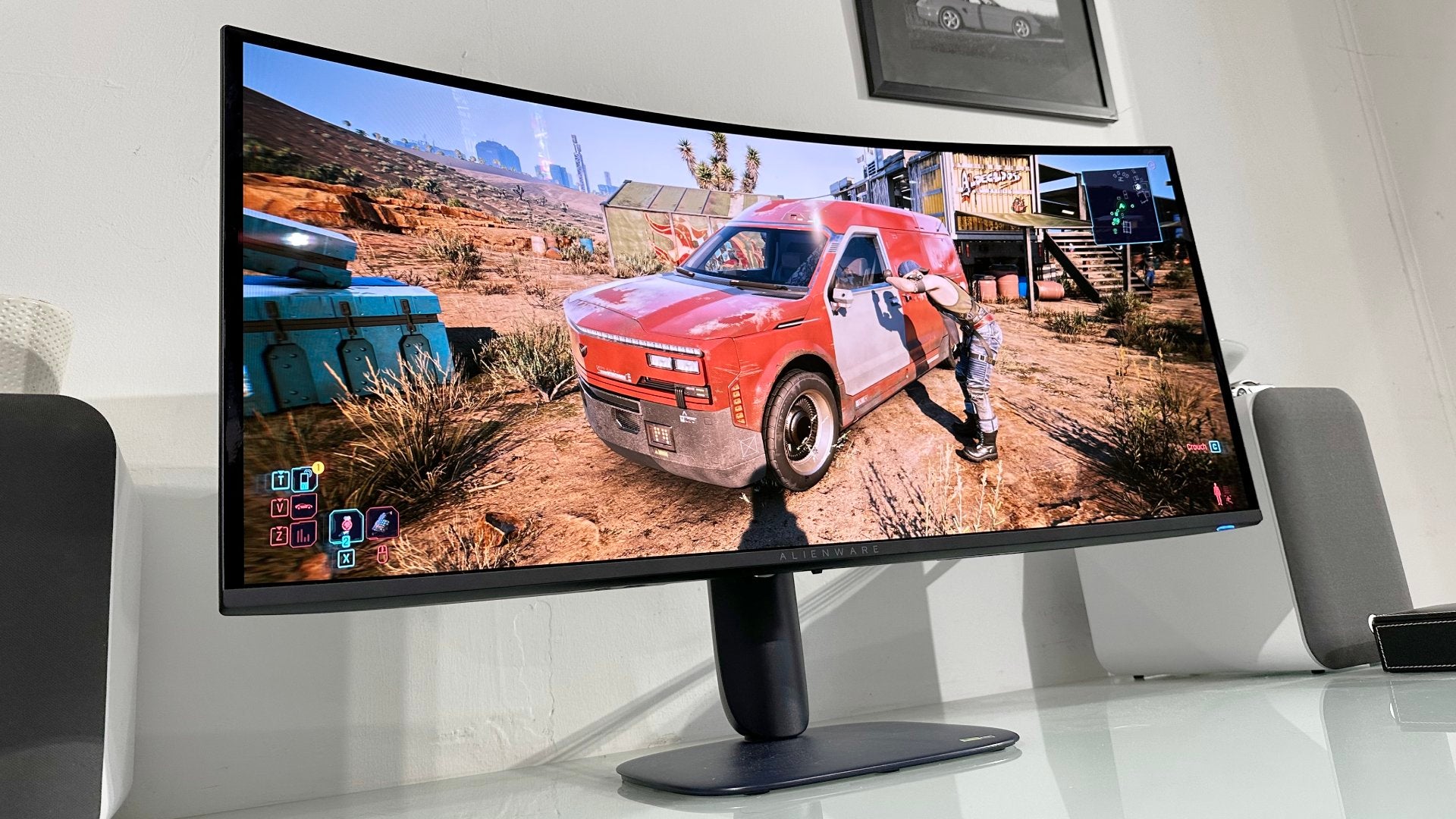
Your next gaming monitor should be an OLED display. There, I've said it. And I know the notion won't please everyone. After all, a large grey proboscidean lumbers into the room whenever OLED technology is mentioned. Put simply, almost any risk of the dreaded burn-in is an immediate deal-breaker for some. I do get that.
Likewise, despite my musings just the other day on how affordable gaming monitors have generally become and the fact you can now snag an OLED panel, specifically, for sub £300 / $300, it's a stretch to say OLED gaming comes cheap. And yet here I am arguing firmly in favour of OLED.
The point is that OLED is fundamentally superior to LCD, the latter being the dominant display tech on the PC for decades and also, as it happens, an unambiguous technological kludge. Understanding why is the relatively easy bit. Where things get extraordinarily, even belligerently, complicated concerns the current OLED gaming monitor market and the baffling array of panel types and monitor models on offer.
We'll get to all that. But let's start with the core appeal of OLED, which comes down to two factors: lighting control and speed. In both regards, OLED technology completely annihilates LCD. The thing about OLED panels and lighting is that each pixel is its own individually controlled light source. Actually, each subpixel is.
That means literally perfect lighting control. There's no leakage, no need for bodges like local dimming. Just the ability to have immediately adjacent pixels doing absolutely opposite things, one fully lit up, the other totally off. The impact of that on contrast is epic. In short, if you want a true HDR experience that combines sizzling bright highlights with properly controlled black levels, only OLED can do that.

The problem with LCD, you see, is that it's a transmissive technology, so light is pushed through the pixels from a big, dumb backlight behind. The liquid crystals in each subpixel are then oriented by an electric charge, controlling the quantity and colour of the light output. In practice, there are oh so many limitations to that approach.
Chief among these problems is that the backlight leaks through in all kinds of unintended ways. And let's be clear, technologies like mini-LED backlights with full-array local dimming don't get anywhere near entirely compensating for LCD's shortcomings. For starters, even a mini-LED backlight with 2,000 zones is very, very low resolution in terms of lighting.
With that kind of zone count, you're looking at a backlight resolution of roughly 55 zones by 35 zones in a 16:9 monitor. Imagine if the actual image resolution was 55 by 35 pixels. Yuck. In the context of a 4K monitor, then, each zone is shared across approximately 4,000 pixels. That's a lot and it translates into visible blooming, weird brightness gradients, dimming zones noticeably popping on and off and all that messy, ugly stuff.
While we're talking liquid crystals twisting in the electrical wind, that's also the reason why LCD is so much slower than OLED. It involves the physical rotation of those rod-shaped crystals to update the image. Like I said, the pixels in an OLED panel are their own light-emitting diode sources, and very rapidly reacting ones at that. So, OLED response times are essentially instantaneous from a human perception perspective.
I will admit, it's still impressive how good modern LCD panels can look, despite their numerous baked-in limitations. But in lots of important ways, OLED is inherently more suited to gaming displays than LCD. The catch is that it, too, is imperfect, ye olde burn-in being the most obvious shortcoming.
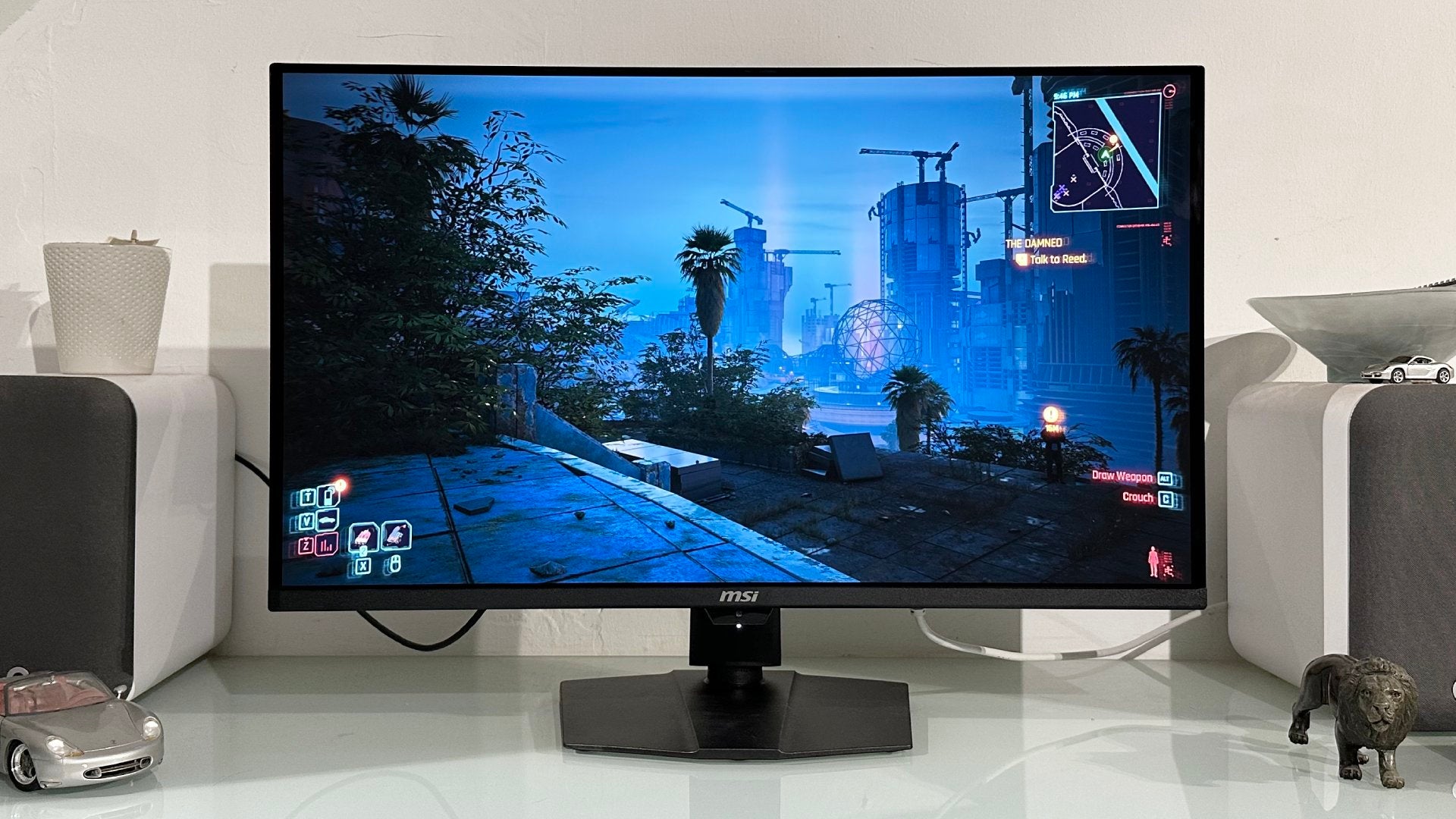
The "O" in OLED refers to "organic", as in Organic Light Emitting Diode. The "organic" bit translates into carbon-based molecules that degrade with use. In short, the harder you drive an OLED pixel, the more its ability to output light is worn out. Over time, the whole panel will wear to some degree, degrading maximum light output. ...Read more: Full article on www.rockpapershotgun.com
What do you think about this?
Your next gaming monitor should be an OLED display. There, I've said it. And I know the notion won't please everyone. After all, a large grey proboscidean lumbers into the room whenever OLED technology is mentioned. Put simply, almost any risk of the dreaded burn-in is an immediate deal-breaker for some. I do get that.
Likewise, despite my musings just the other day on how affordable gaming monitors have generally become and the fact you can now snag an OLED panel, specifically, for sub £300 / $300, it's a stretch to say OLED gaming comes cheap. And yet here I am arguing firmly in favour of OLED.
The point is that OLED is fundamentally superior to LCD, the latter being the dominant display tech on the PC for decades and also, as it happens, an unambiguous technological kludge. Understanding why is the relatively easy bit. Where things get extraordinarily, even belligerently, complicated concerns the current OLED gaming monitor market and the baffling array of panel types and monitor models on offer.
We'll get to all that. But let's start with the core appeal of OLED, which comes down to two factors: lighting control and speed. In both regards, OLED technology completely annihilates LCD. The thing about OLED panels and lighting is that each pixel is its own individually controlled light source. Actually, each subpixel is.
That means literally perfect lighting control. There's no leakage, no need for bodges like local dimming. Just the ability to have immediately adjacent pixels doing absolutely opposite things, one fully lit up, the other totally off. The impact of that on contrast is epic. In short, if you want a true HDR experience that combines sizzling bright highlights with properly controlled black levels, only OLED can do that.
The problem with LCD, you see, is that it's a transmissive technology, so light is pushed through the pixels from a big, dumb backlight behind. The liquid crystals in each subpixel are then oriented by an electric charge, controlling the quantity and colour of the light output. In practice, there are oh so many limitations to that approach.
Chief among these problems is that the backlight leaks through in all kinds of unintended ways. And let's be clear, technologies like mini-LED backlights with full-array local dimming don't get anywhere near entirely compensating for LCD's shortcomings. For starters, even a mini-LED backlight with 2,000 zones is very, very low resolution in terms of lighting.
With that kind of zone count, you're looking at a backlight resolution of roughly 55 zones by 35 zones in a 16:9 monitor. Imagine if the actual image resolution was 55 by 35 pixels. Yuck. In the context of a 4K monitor, then, each zone is shared across approximately 4,000 pixels. That's a lot and it translates into visible blooming, weird brightness gradients, dimming zones noticeably popping on and off and all that messy, ugly stuff.
While we're talking liquid crystals twisting in the electrical wind, that's also the reason why LCD is so much slower than OLED. It involves the physical rotation of those rod-shaped crystals to update the image. Like I said, the pixels in an OLED panel are their own light-emitting diode sources, and very rapidly reacting ones at that. So, OLED response times are essentially instantaneous from a human perception perspective.
I will admit, it's still impressive how good modern LCD panels can look, despite their numerous baked-in limitations. But in lots of important ways, OLED is inherently more suited to gaming displays than LCD. The catch is that it, too, is imperfect, ye olde burn-in being the most obvious shortcoming.
The "O" in OLED refers to "organic", as in Organic Light Emitting Diode. The "organic" bit translates into carbon-based molecules that degrade with use. In short, the harder you drive an OLED pixel, the more its ability to output light is worn out. Over time, the whole panel will wear to some degree, degrading maximum light output. ...Read more: Full article on www.rockpapershotgun.com
What do you think about this?